CAST Voices brings together leading voices in agricultural science to share insights, challenge assumptions, and connect research to the questions that matter most.
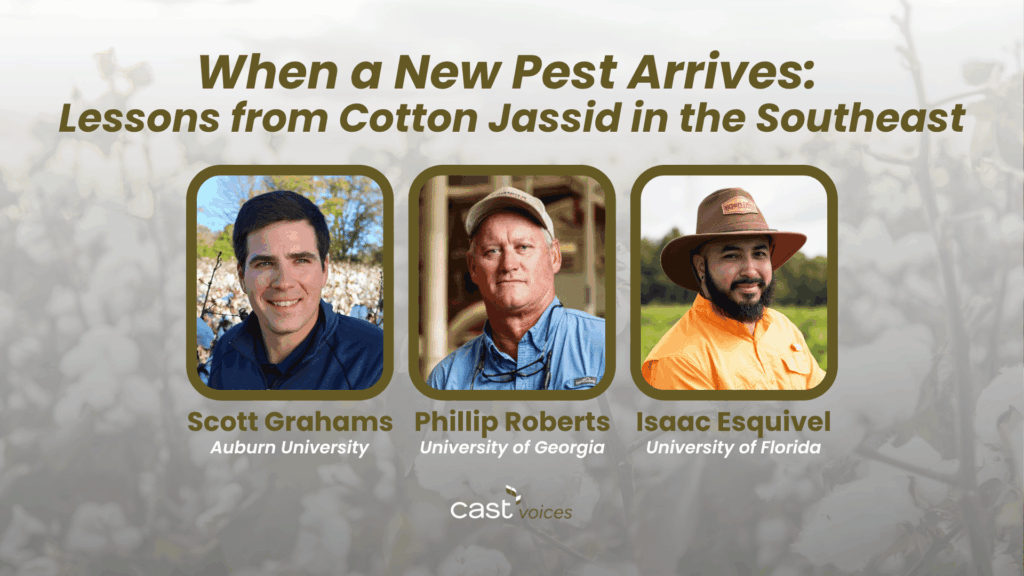
By Scott Graham (Auburn University), Phillip Roberts (University of Georgia), and Isaac Esquivel (University of Florida) In the fall of 2024, few, if any, cotton producers in the United States had heard of cotton jassid. By the end of the 2025 growing season, the insect had become a major topic...
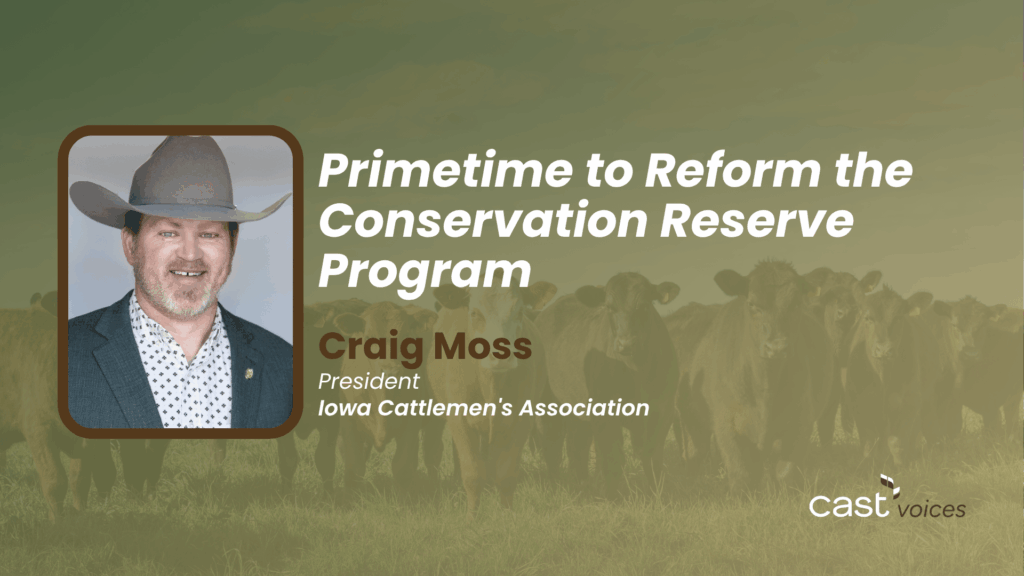
With U.S. cattle numbers at a 75-year low, Craig Moss, ICA President and feedlot operator from Hull, IA, argues it's time to reform the Conservation Reserve Program — removing barriers that limit grazing access and hinder herd rebuilding at exactly the moment the market demands action....
When a fire broke out at a North Carolina nursery on Father's Day, the farmer had hours to find out whether his contaminated irrigation pond would kill his remaining crops. The experts who answered his call were kayaking, playing baseball, heading to church. Capacity funding is why they picked up....
Walk into any American grocery store and you are looking at one of the most remarkable systems ever built. Behind every shelf sits more than a century and a half of public investment in agricultural science, education, and outreach. It is one of the quiet success stories of American history....
In this Voices of Agriculture piece, Julia Valliant explores the growing challenges of farm succession planning, the risks of delaying those conversations, and the critical role advisors and communities play in helping preserve family farms, support new farmers, and strengthen the future of America’s food system....
By Stephanie Wetter Director of Animal Welfare, National Pork Board I did not grow up in agriculture. Everything I know about pork production, I had to learn as an adult. I found pigs in college through animal science, and what started as curiosity became a career. I was drawn not...
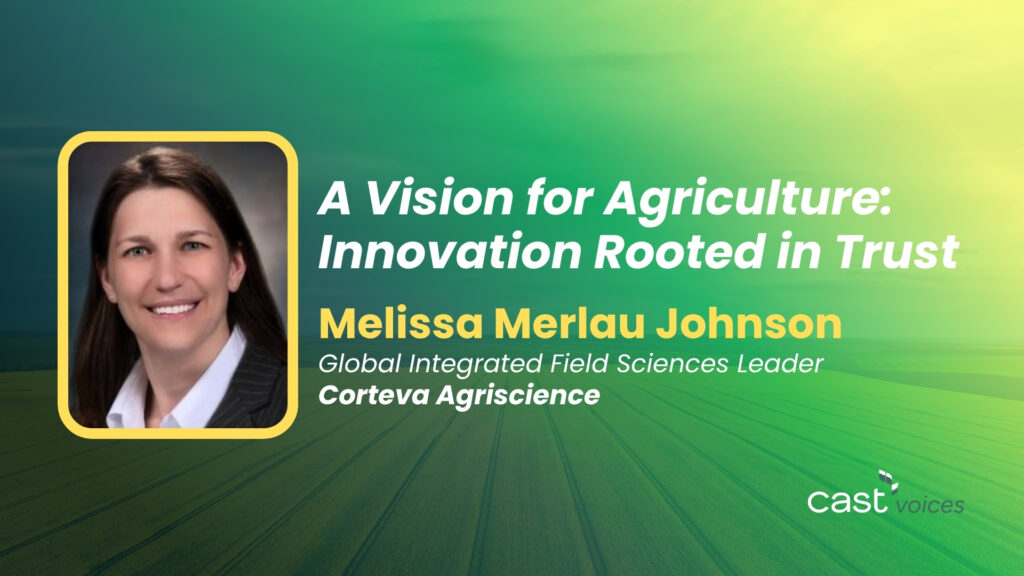
In this Voices of Agriculture, Melissa Merlau Johnson of Corteva Agriscience argues that scientists must move beyond facts alone — and start building trust through human connection....
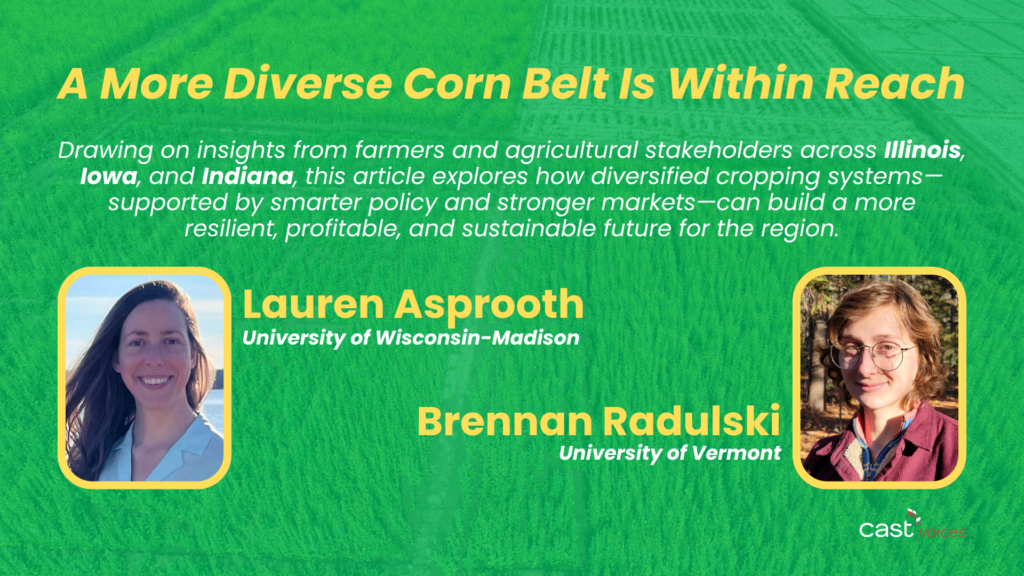
The Corn Belt’s corn–soy dominance has delivered productivity, but it has also left farmers, rural communities, and food systems increasingly vulnerable. Drawing on insights from farmers and agricultural stakeholders across Illinois, Iowa, and Indiana, this article explores how diversified cropping systems—supported by smarter policy and stronger markets—can build a more...
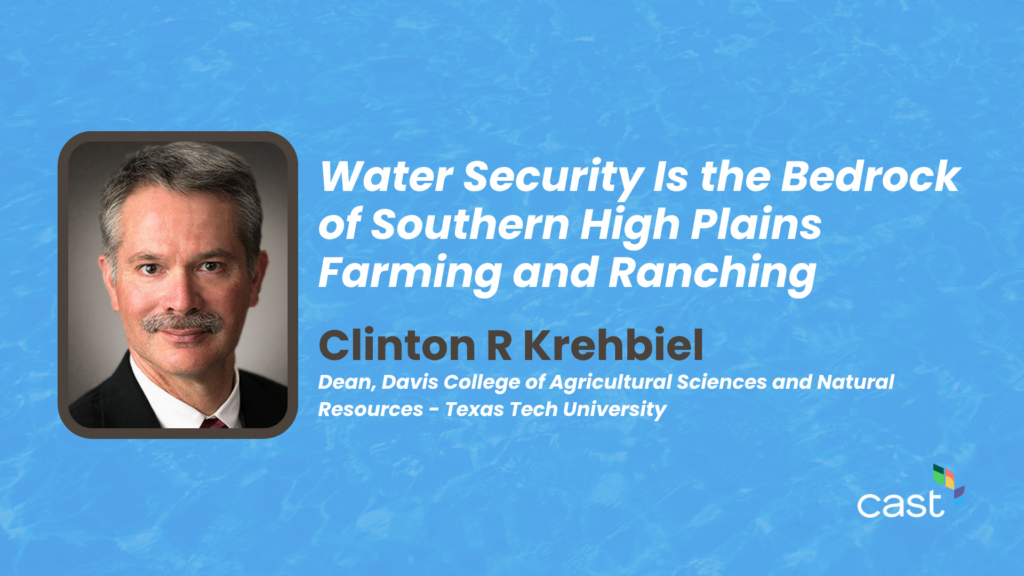
Water is the backbone of farming and ranching in the Southern High Plains, yet it is becoming increasingly unreliable. While producers have long adapted to dry conditions, today’s challenges—declining aquifers, prolonged drought, and rising competition for water—are outpacing traditional solutions....
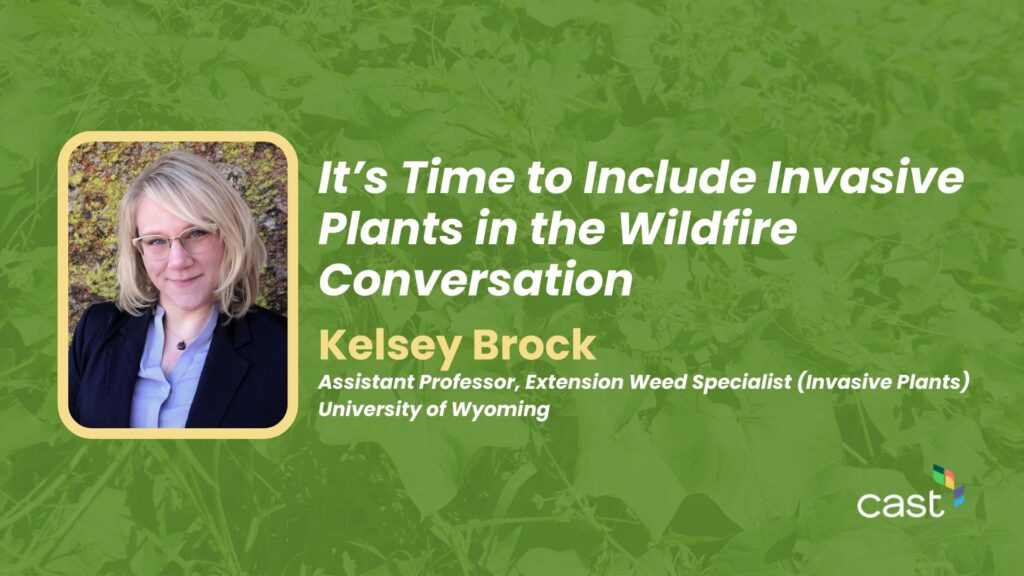
We often focus on climate change when we talk about today’s wildfires, and rightly so. Climate is a big part of the equation, but it doesn’t cause fire on its own. Invasive plants are rarely acknowledged as part of the wildfire problem....