CAST papers are developed by interdisciplinary task forces composed of volunteer authors, chairs, reviewers, liaisons, and translators from academia, industry, and government. This index recognizes those contributors and highlights the breadth of expertise that supports CAST’s work.

Jeffery K. Tomberlin

Title/Position
Professor, AgriLife Research Fellow, Presidential Impact Fellow, Director of National Science Foundation Center for Insect Biomanufacturing and Innovation
Expertise
Decomposition ecology; Forensic entomology; Black soldier fly; Insects as food and feed; Integrated pest management in confined animal facilities
Bio

Jeffery K. Tomberlin, Ph.D. is a Professor, Texas A&M AgriLife Research Fellow, & Presidential Impact Fellow in the Department of Entomology at Texas A&M University. He is also the principal investigator of the Forensic Laboratory for Investigative Entomological Sciences (F.L.I.E.S.) Facility (forensicentomology.tamu.edu) at Texas A&M University. Since arriving at Texas A&M University in 2002, 36 scientists, including 7 Fulbright scholars, from around the world have visited his lab. He has also served as the chair for 22 Ph.D. and 22 M.S. students. To date, he has edited 8 books, published 28 book chapters, and +250 articles which have been cited more than +12,750.

In 2025, Tomberlin was ranked the No. 5 academic scholar in agricultural entomology in the world by Scholar GPS. The ranking was based on his number of publications and the exceptional quality and impact of his work and citations.

Publications as Author
CAST_Protein-in-the-Diet
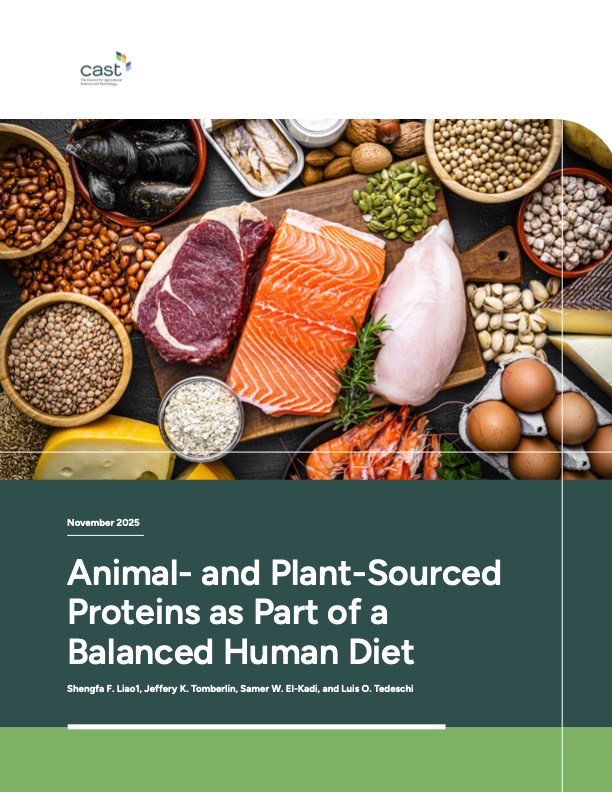
Protein quality, not just quantity, is critical for meeting human dietary needs. This paper reviews animal‑, plant‑, and emerging protein sources in terms of amino acid composition, digestibility, nutritional adequacy, and environmental impact. It highlights life‑stage–specific protein requirements, limitations of single‑source proteins, and the role of complementary proteins in balanced diets. Global patterns of protein availability, future demand, and sustainability challenges are examined. The paper concludes that diverse dietary protein sources, rather than exclusive reliance on plant or animal proteins, are essential for supporting human health and resilient food systems.