CAST papers are developed by interdisciplinary task forces composed of volunteer authors, chairs, reviewers, liaisons, and translators from academia, industry, and government. This index recognizes those contributors and highlights the breadth of expertise that supports CAST’s work.

Luther G. Tweeten

Publications as Task Force Chair
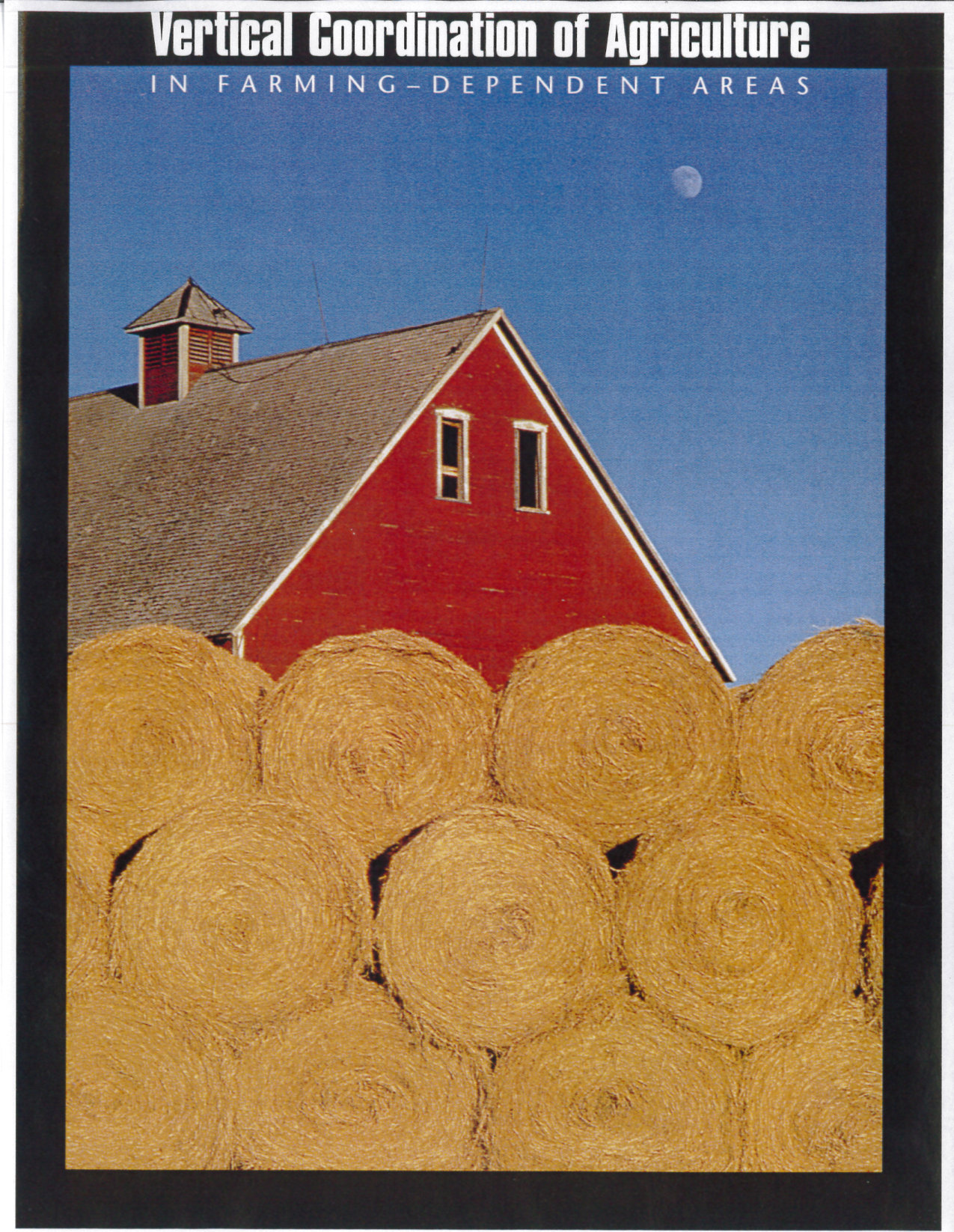
CAST_R137_Vertical-Coordination-of-Agriculture-in-Farming-Dependent-Areas
This CAST report provides policymakers, community leaders, and farmers with a guide to help weigh the advantages and disadvantages of contract farming and other forms of vertical coordination in agriculture. The report analyzes how vertical coordination in the food chain can change rural communities that have farming-dependent economies. The report also addresses the role of electronic commerce in rural development.
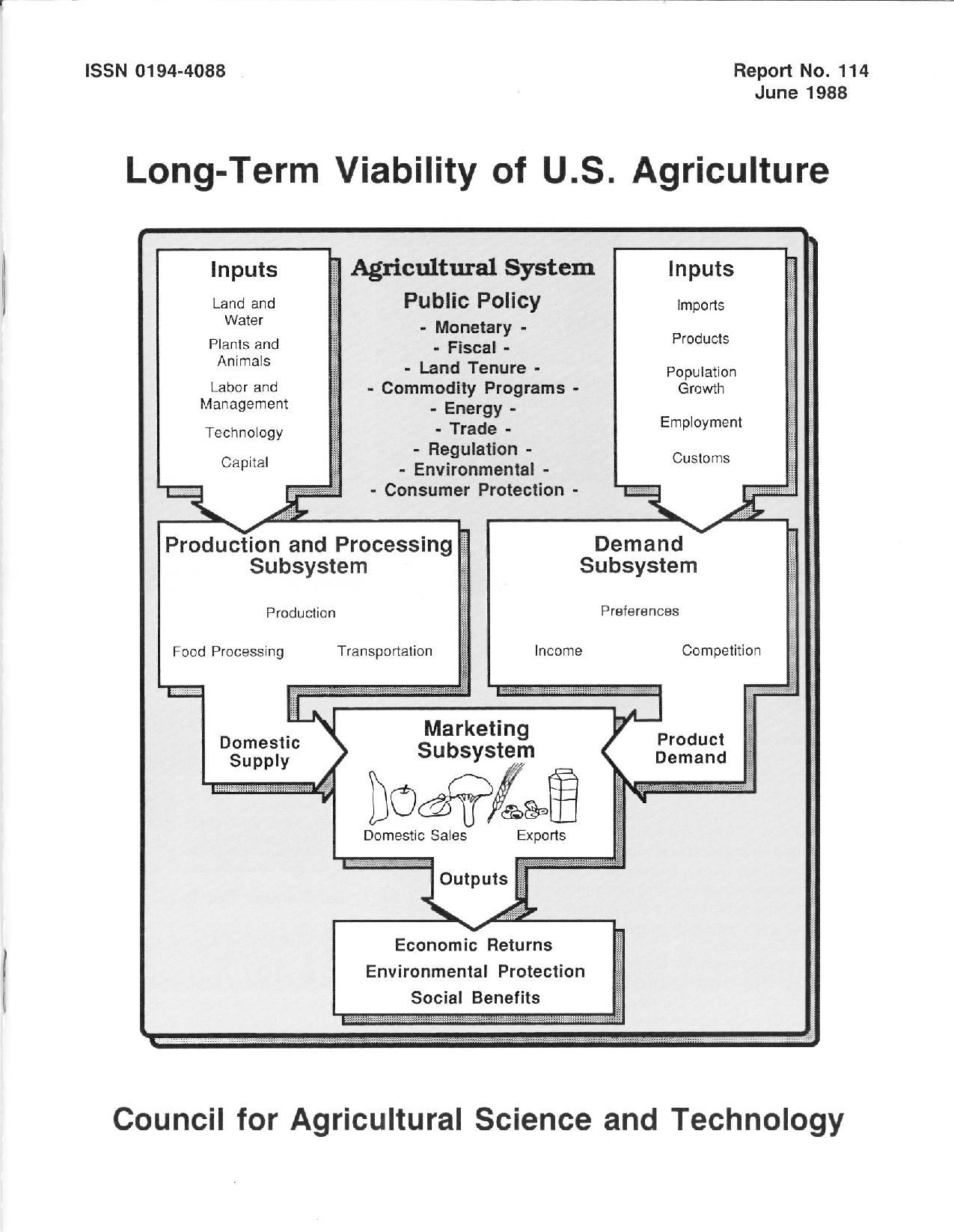
CAST-R114-LT-Viability-of-US-Ag.jpg
What is the future of American agriculture? This report examines the economic, environmental, and social dimensions of the agricultural sector.
Publications as Author
QTA2011-1-Ag-Research.jpg
Agricultural research offers consistently high return on investment, boosting the nation's economy while addressing pressing challenges in health, energy, environment, rural development, trade, and food safety. This Commentary is directed to Congress, the Administration, and the public, presenting recognized scholars' assessment of the high rate of return agricultural research has delivered to the American and global public—and why continued funding is in the public interest. As the authors note, "Plans for a better future start today."
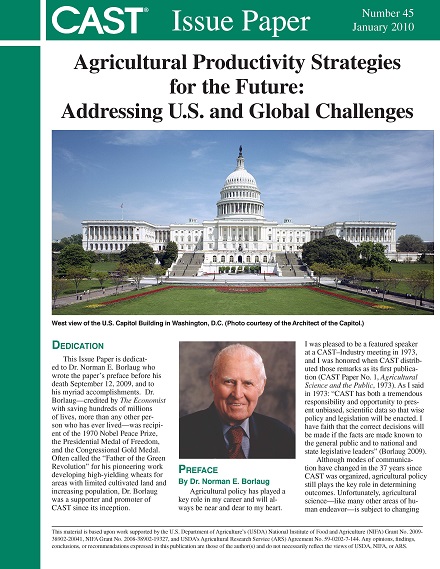
CAST IP45_Ag Policy
This Issue Paper (IP 45), which includes a preface from Dr. Norman E. Borlaug, updates CAST Paper No. 1 written by Dr. Borlaug in 1973. The authors address future demands facing agriculture, the relationship between bioenergy and bioproducts, and major issues impacting U.S. and global agricultural productivity. Strategies to meet future food needs and examples of research that could enable the next Green Revolution are discussed. The authors question the commitment to agricultural research and underscore the far-reaching impact—or consequences of its absence—on the nation and the world.