CAST papers are developed by interdisciplinary task forces composed of volunteer authors, chairs, reviewers, liaisons, and translators from academia, industry, and government. This index recognizes those contributors and highlights the breadth of expertise that supports CAST’s work.

Samer W. El-Kadi

Affiliation
Virginia Tech
Title/Position
Associate Professor
Expertise
As a nutritionist, the principal objective of Dr. El-Kadi's research program is to determine how nutritional cues interact with physiological mechanisms that regulate muscle growth in growing animals.
Bio

Dr. El-Kadi's research is centered on investigating the dietary and physiological factors that control muscle growth in neonatal animals, and whether nutritional manipulations could be used to enhance growth in the perinatal period. To achieve these goals, his lab is using a multifaceted approach that combines molecular and metabolic techniques to elucidate the mechanisms that control protein deposition in muscles. The aim of this research program is to identify areas where novel dietary ingredients or management approaches could be used to enhance growth and improve the efficiency with which nutrients are deposited in muscles.

El-Kadi is currently pursuing three areas of research: the first is focused on elucidating the effects of feeding frequency on protein accretion in skeletal muscles of the neonate; the second is aimed at understanding the relationship between growth failure in low-birthweight neonatal animals and the development of metabolic disorders later in life, the third is the evaluation of dietary supplements in infant formulas. His lab using the pig as an agriculturally important species and as a model for human infants.

Publications as Author
CAST_Protein-in-the-Diet
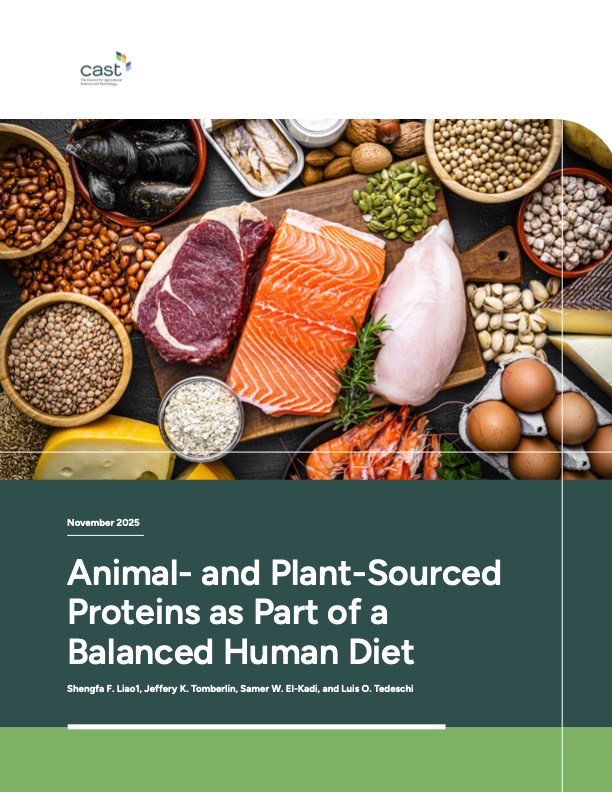
Protein quality, not just quantity, is critical for meeting human dietary needs. This paper reviews animal‑, plant‑, and emerging protein sources in terms of amino acid composition, digestibility, nutritional adequacy, and environmental impact. It highlights life‑stage–specific protein requirements, limitations of single‑source proteins, and the role of complementary proteins in balanced diets. Global patterns of protein availability, future demand, and sustainability challenges are examined. The paper concludes that diverse dietary protein sources, rather than exclusive reliance on plant or animal proteins, are essential for supporting human health and resilient food systems.