
Q&A from the January 25, 2022 Webinar Life cycle assessment (LCA) is a method to identify all the inputs and
Q&A from the January 25, 2022 Webinar Life cycle assessment (LCA) is a method to identify all the inputs and

As both global population and disposable income are expected to increase in the near future more efficient use of natural

The Role of Agricultural Science and Technology in Climate 21 Project Implementation
Q&A from the June 29, 2021 Webinar The transition team for the Biden Administration introduced the Climate 21 Project as

The Importance of Communicating Empirically Based Science for Society
Student Study Guide Q&A from the September 22, 2020 Webinar This paper discusses the crucial factors of what we define

Impacts on Human Health and Safety of Naturally Occurring and Supplemental Hormones in Food Animals
Student Study Guide Q&A from the July 28, 2020 Webinar Since the end of the Second World War, the United

Economic Impacts of COVID-19 on Food and Agricultural Markets
Student Study Guide This paper examines the many economic factors and impacts of the COVID-19 pandemic, with a focus on
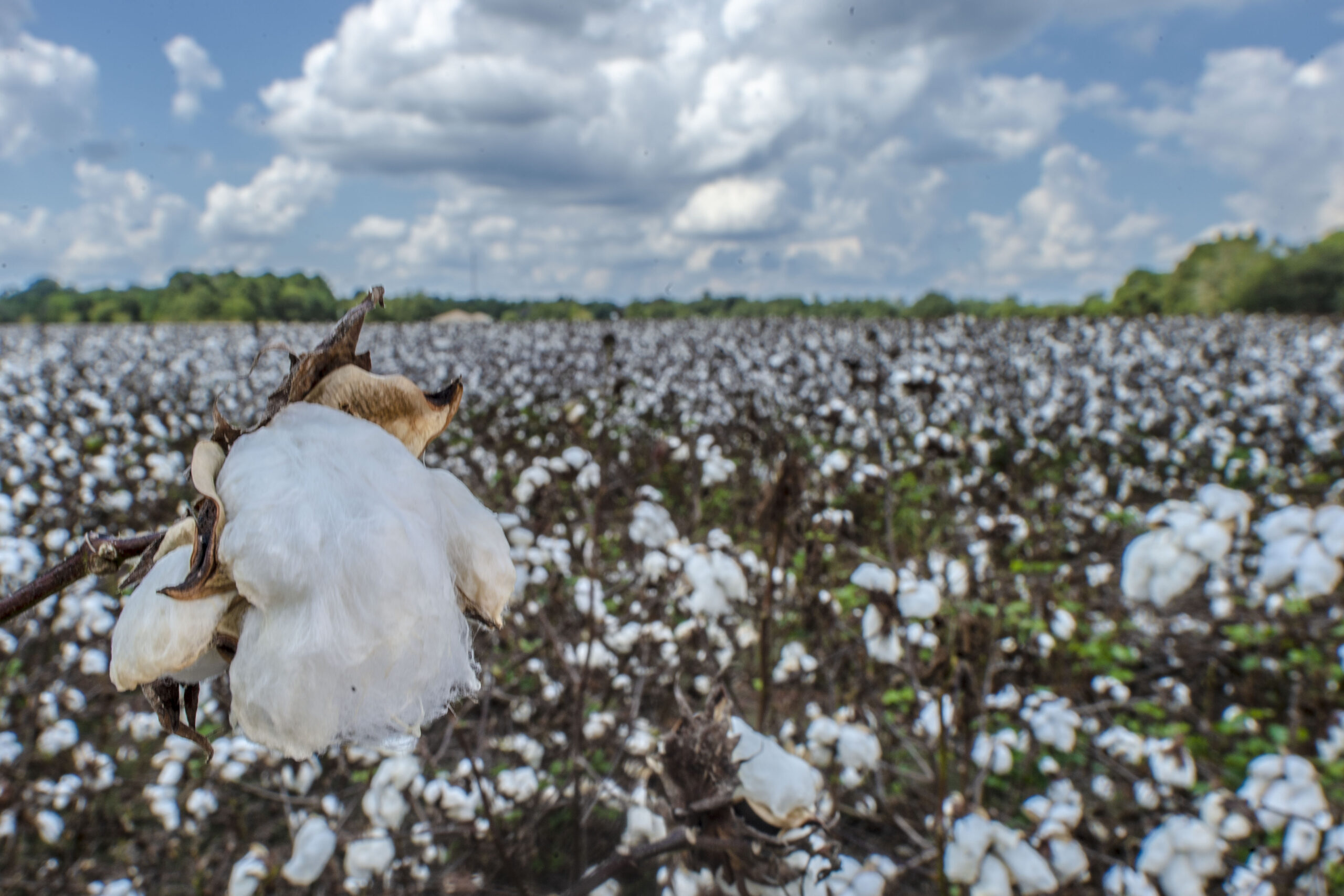
Stewardship Challenges for New Pest Management Technologies in Agriculture
Student Study Guide Q&A from May 19, 2020 Webinar Technology is a key enabler of more efficient agricultural production as
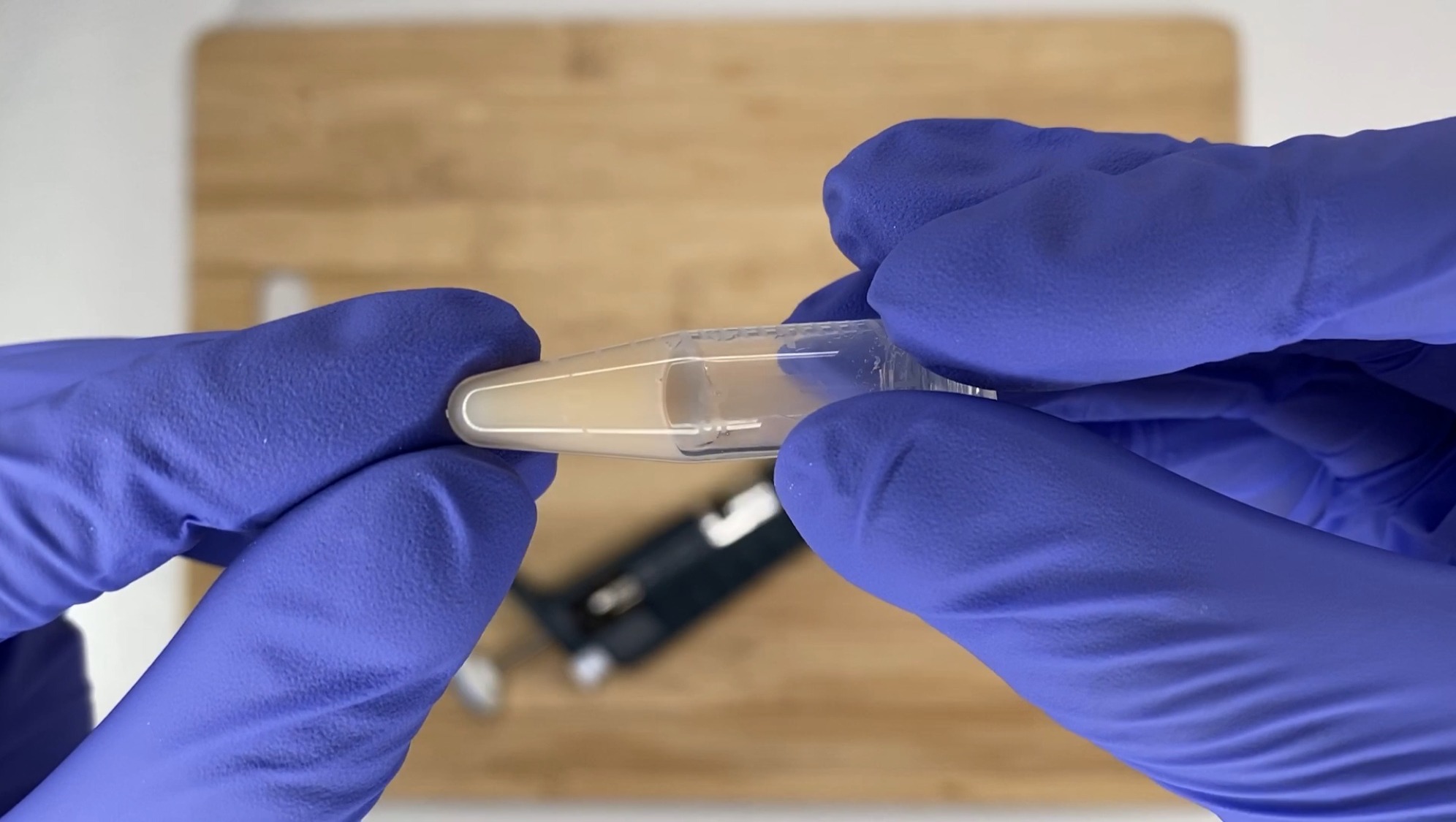
Producing Food Products from Cultured Animal Tissues
Student Study Guide Today, the technology necessary to culture cells for human consumption in the form of cell cultivated meat

Enabling Open-source Data Networks in Public Agricultural Research
The purpose of this commentary is to document need for and anticipated benefits of developing data-sharing standards, incentivizing researchers to

Pollinators are responsible for about 1/3 of our human diet by volume. Although honey bees are one of nearly 20,000