CAST papers are developed by interdisciplinary task forces composed of volunteer authors, chairs, reviewers, liaisons, and translators from academia, industry, and government. This index recognizes those contributors and highlights the breadth of expertise that supports CAST’s work.

Donald C. Beitz

Publications as Task Force Chair
CAST-SP32_Omega-3.jpg
Omega-3 fatty acids are a family of metabolically related polyunsaturated fatty acids with broad health benefits. As chronic diseases tied to diet and lifestyle now dominate mortality statistics, interest in how diet promotes health has grown. This publication examines the biochemistry, health benefits, dietary sources, and recommended intakes of omega-3 fatty acids. Topics include their role in cell membrane structure and function, effects on inflammation and chronic disease—including cardiovascular disease, cancer, and neurological function—food sources, enrichment through modern production techniques, and federal regulations governing labeling and health claims.

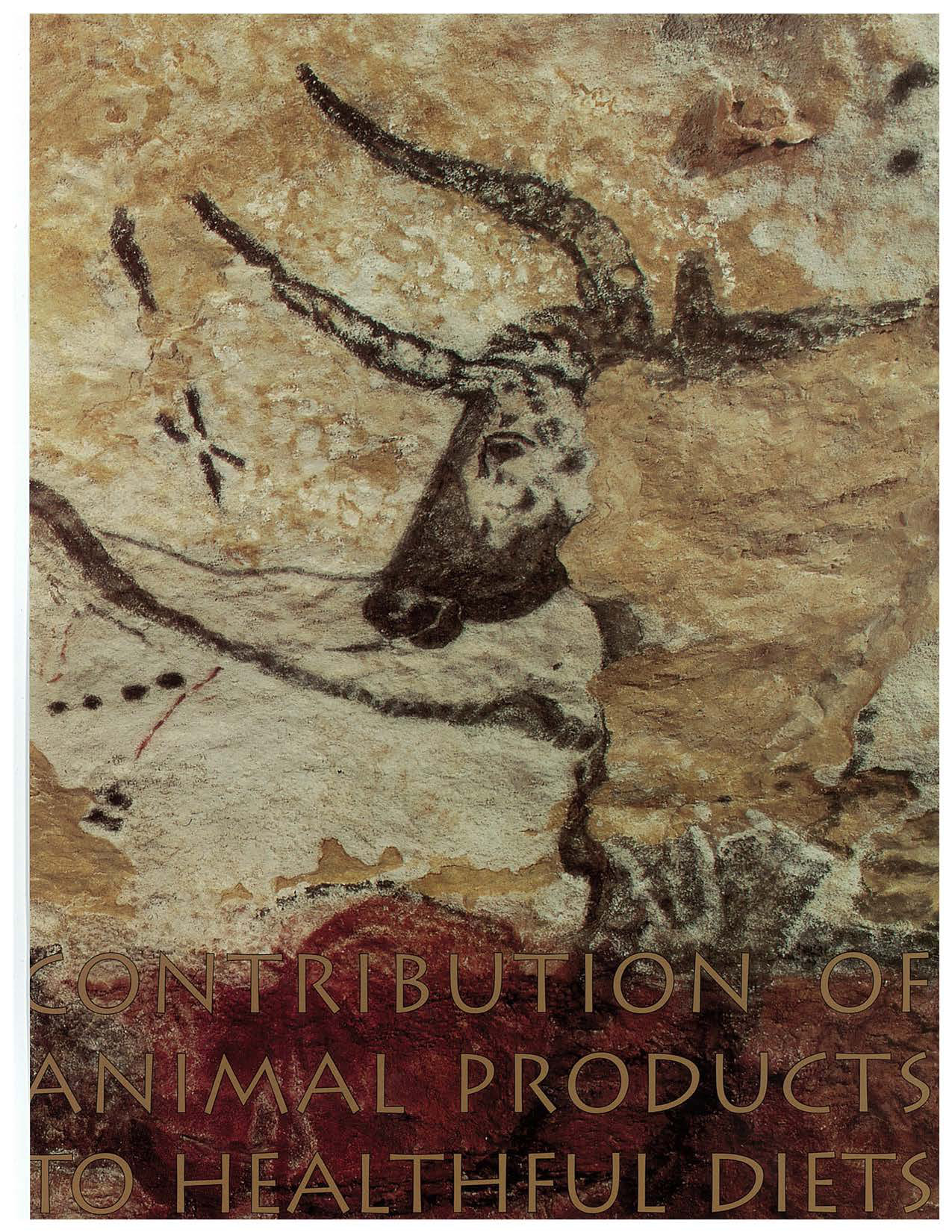
CAST_R131_Contribution-of-Animal-Products-to-Healthful-Diets
Foods derived from animals contribute significantly to total nutrients in the U.S. food supply. Moreover, the availability to humans of the nutrients in animal products is high.
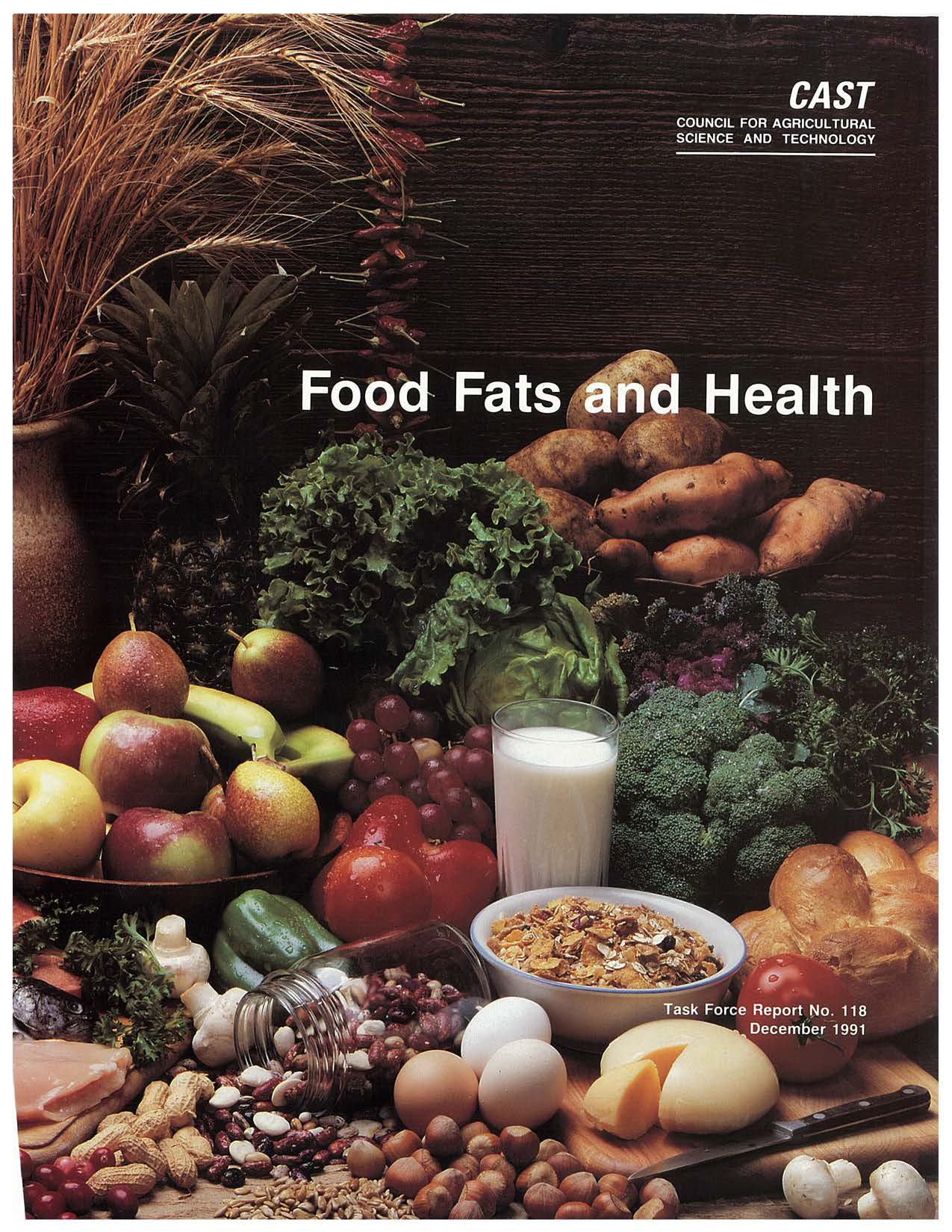
CAST_R118_Food-Fats-and-Health
This CAST report supports dietary recommendations to decrease food fat consumption from the present national average of 37% to less than 30% of the total caloric intake. The agricultural and food industries are responding by redesigning fresh and processed foods so that consumers can more readily meet these recommendations.
Publications as CAST Liaison
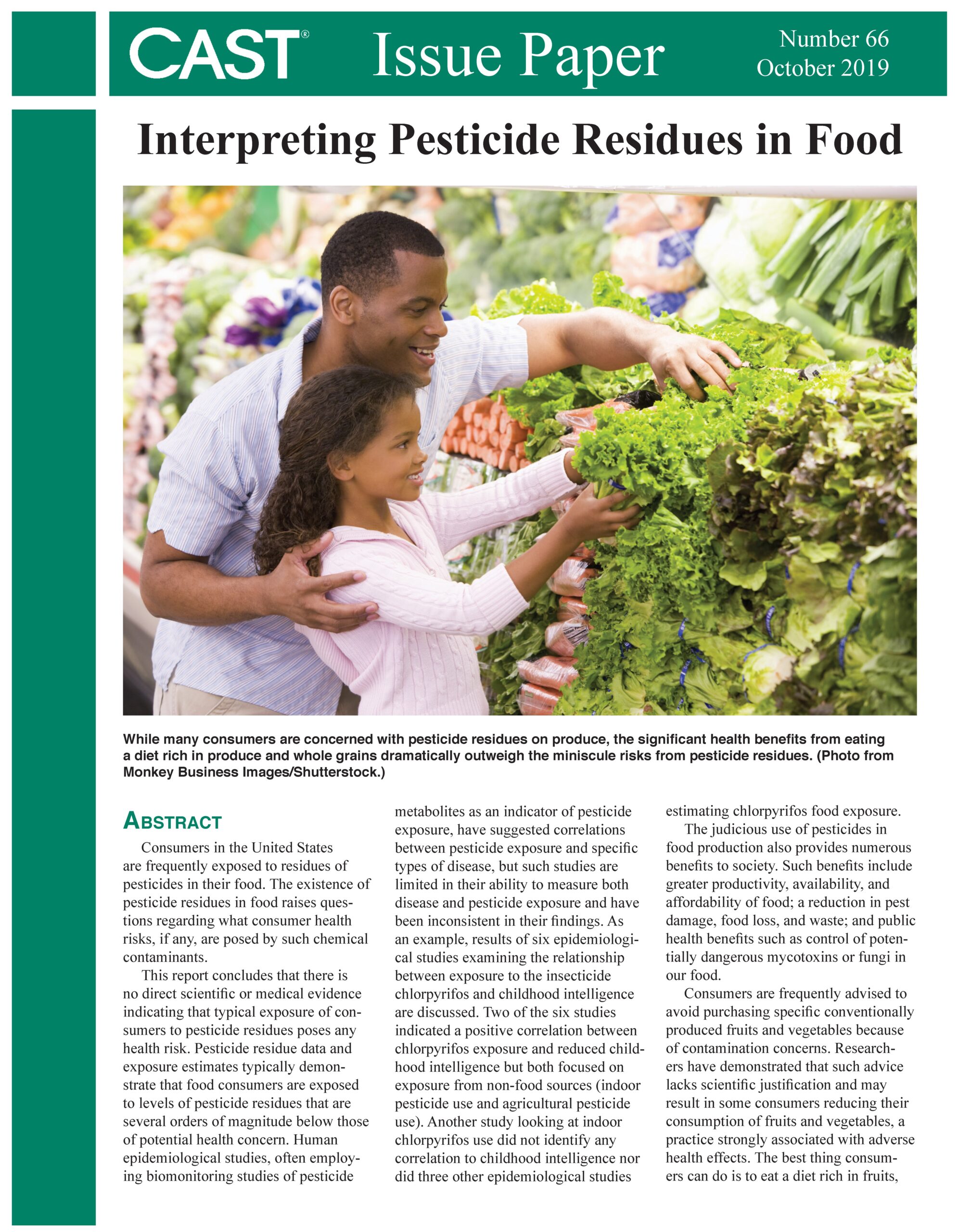
IP66_Residues_Cover
U.S. consumers are regularly exposed to pesticide residues in food, raising questions about potential health risks. This report concludes that no direct scientific evidence indicates typical pesticide residue exposure poses health risks—levels are typically several orders of magnitude below those of health concern. Epidemiological studies have suggested correlations between pesticide exposure and certain diseases, but findings are inconsistent. The paper also highlights benefits of judicious pesticide use, including greater food productivity, reduced waste, and control of mycotoxins. Consumers are best served by a diet rich in fruits, vegetables, and whole grains, whether organic or conventional.
CAST-IP43_Transgenic-Animals.jpg
This paper discusses two of the most recent reproductive technologies used to improve agronomic traits in livestock. One main limitation to the further development and use of these technologies has been the lack of public acceptance. The 8-member international task force suggests that the government develop a regulatory process that addresses consumers' apprehension while offering realistic expectations of biotechnology. The authors address topics including the cloning of farm animals for breeding and direct food consumption; disease resistance in transgenic animals; and the use of transgenics for improved food safety and quality, decreased environmental impact, and increased production efficiency.